
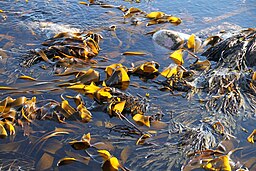
Introduction to seaweed aquaculture
This is a demo course, to showcase a blended course that includes: a self-paced online course, a live webinar, and a workshop.
£600.00
About
WHO IS THIS COURSE FOR
This is an intermediate-level course for:
- Seaweed farmers
- Aquaculture professionals
- Marine biologists
- Sustainability and ocean health advocates
- Researchers and students interested in marine farming
COURSE CONTENT
- Introduction to Seaweed Aquaculture
- Site Selection and Environmental Conditions
- Common Challenges: Epiphytes, Grazers, and Biofouling
- Monitoring and Managing Water Quality for Seaweed
- Harvesting and Post-Harvest Handling
- Final Quiz
YOUR NEW SKILLS
By the end of this course you should be able to:
- Understand Seaweed Farming Systems
- Learn about different cultivation methods such as long-line, raft, and net systems, and how they suit various species and environments.
- Monitor Environmental Parameters
- Identify and measure key factors like light intensity, temperature, salinity, nutrient levels, and water flow that affect seaweed growth.
- Optimize Growth Conditions
- Understand how to maintain ideal conditions for photosynthesis and nutrient uptake, and how seasonal changes impact productivity.
- Manage Biological Challenges
- Recognize and control epiphytes, grazers (e.g., fish, sea urchins), and biofouling organisms that can reduce yield and quality.
- Ensure Sustainable Practices
- Learn how to minimize environmental impact and integrate seaweed farming into broader coastal ecosystem management.
- Assess Site Suitability
- Use practical tools and indicators to evaluate potential farming sites for seaweed cultivation.
WHEN CAN I START
This online course is self-paced, which means you can start it anytime and go through the material at your own speed.
WHAT DO I NEED TO START THE COURSE
To start the course, you'll need internet access and a mobile, laptop, computer, or tablet.
Use Chrome, Edge, Firefox, or Safari for the best results.
WILL THERE BE AN ASSESSMENT?
Yes, there will be a final quiz to help you review and reinforce what you've learned throughout the course. Here are the details:
- Final Quiz: Includes multiple-choice questions.
- Passing Score: You'll need to score 75% to pass.
- Retakes: You can retake the quiz if needed.