The Business Case for Shrimp Welfare
FAI Academy's Shrimp Hub helps companies turn welfare into a business advantage.
Good welfare means healthy shrimp, efficient farms, and strong supply chain relationships. If welfare is ignored, farms produce less and costs go up.
9

Major Aquaculture Certification Schemes now include animal welfare standard
Data from Life Institute Welfare statistics
80%

of Fish and Shrimp Producers implement welfare practices
Data from Rabobank (Gorjan Nikolok) presented at the Responsible Seafood Summit, Cartagena, 2025
61%

of Consumers say animal welfare is a “key factor” when making purchasing decisions
Data from Globescan (Gayle Chong), presented at the Responsible Seafood Summit, Cartagena, 2025
What Is Good Shrimp Welfare?
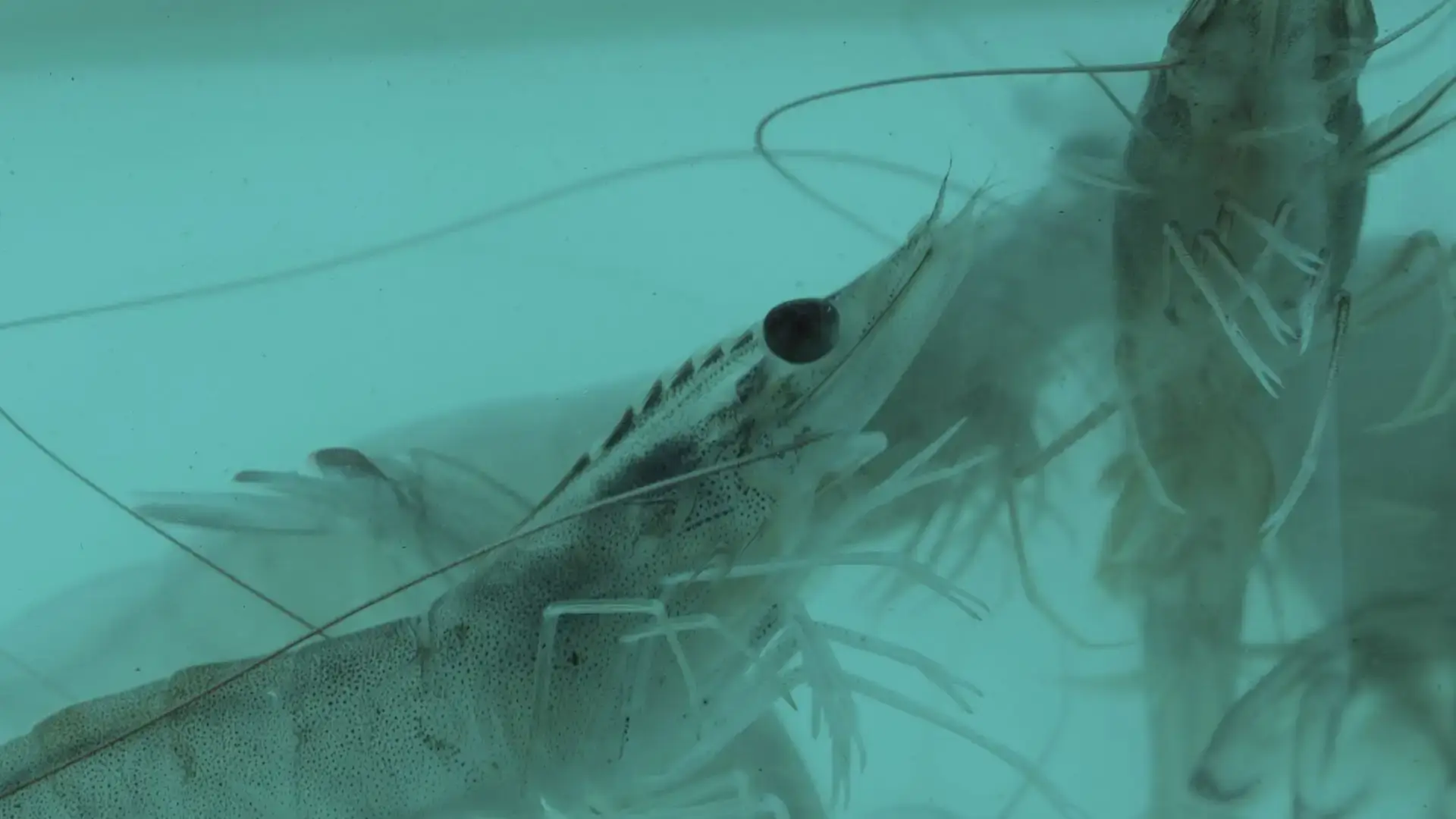
Animal welfare means how well shrimp live in the conditions where they are farmed and harvested
For shrimp, good welfare means good water quality, nutrition, health and natural behaviours. These basics of daily care keep shrimp healthy and growing well.
But what does balanced nutrition or natural behaviour look like? FAI's scientifically verified shrimp welfare protocol and training give farmers clear guidance, helping them apply welfare practices across four key areas.
1. Environment
Does water quality meet the conditions shrimp need to grow and stay healthy?

2. Health
Are shrimp showing signs of good health and normal appearance?
3. Nutrition
Are shrimp feeding regularly and showing steady growth?
4. Behaviour
Are shrimp moving in a calm and natural way?
The Shrimp Welfare Assessment Protocol was first published in a scientific journal. It uses clear, non-invasive checks for indicators such as water oxygen levels and swimming behaviour. Each welfare indicator is scored, allowing farmers to monitor shrimp health from breeding through grow-out.
Non-Invasive Methods for Assessing the Welfare of Farmed White-Leg Shrimp (Penaeus vannamei)
Free download
Shrimp welfare assessments are done with the HydroNeo mobile app. The app, plus our online training, helps farmers everywhere keep shrimp healthy and make farms more profitable.
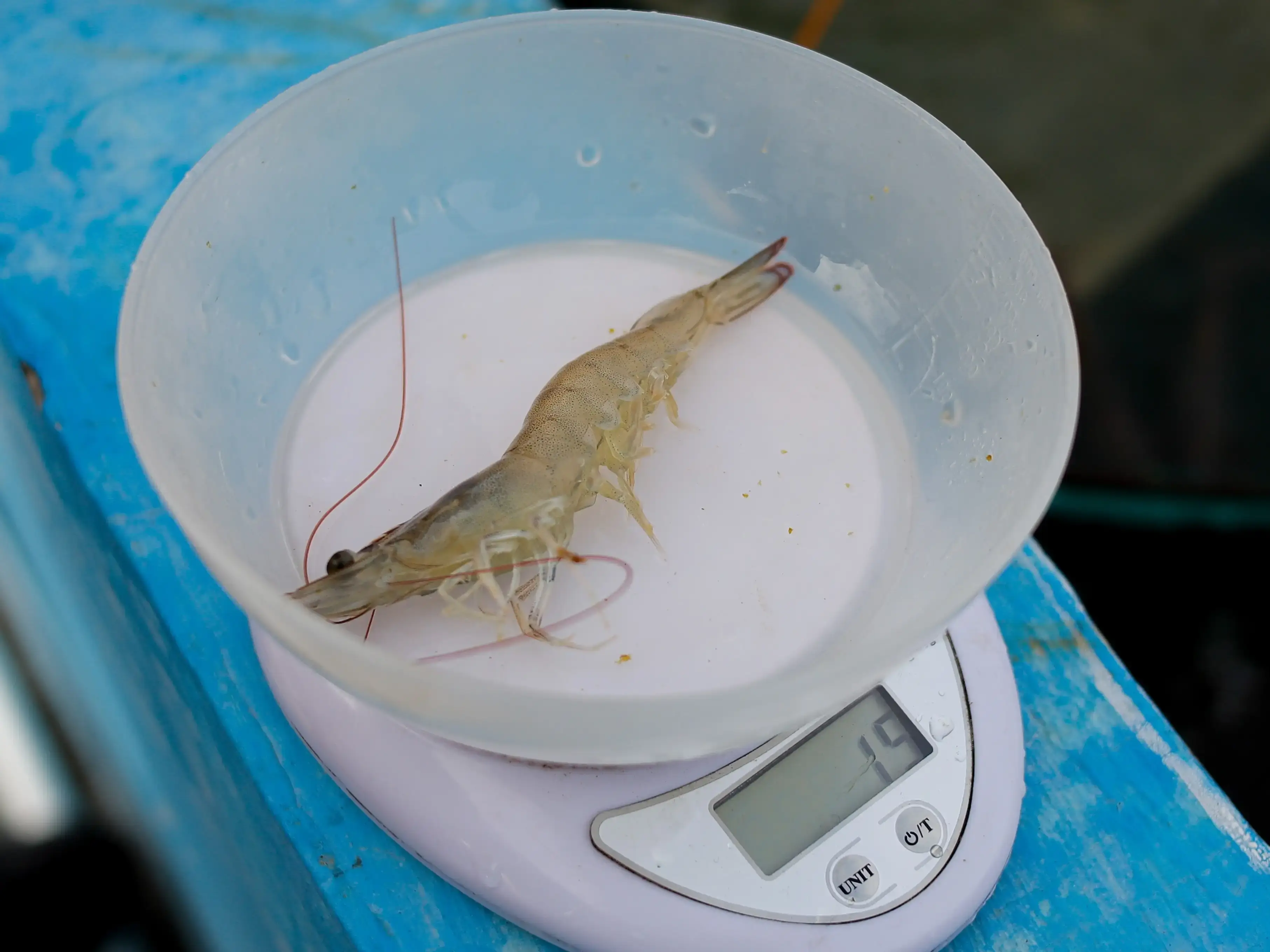
Assessments take nine minutes to do, and we recommend doing them each week on 10% of ponds.
Start assessing now
Assessments take nine minutes to do, and we recommend doing them each week on 10% of ponds.
Start assessing now60 Years in Six
In the 1960s, people started asking if animals were not just surviving, but living well. For land animals, it took 60 years to make welfare standard. Shrimp farmers don't need to wait that long.
Welfare isn't niche — it's responsible farming. With science, digital tools, and shared learning, shrimp farming can reach welfare goals in six years, not sixty.
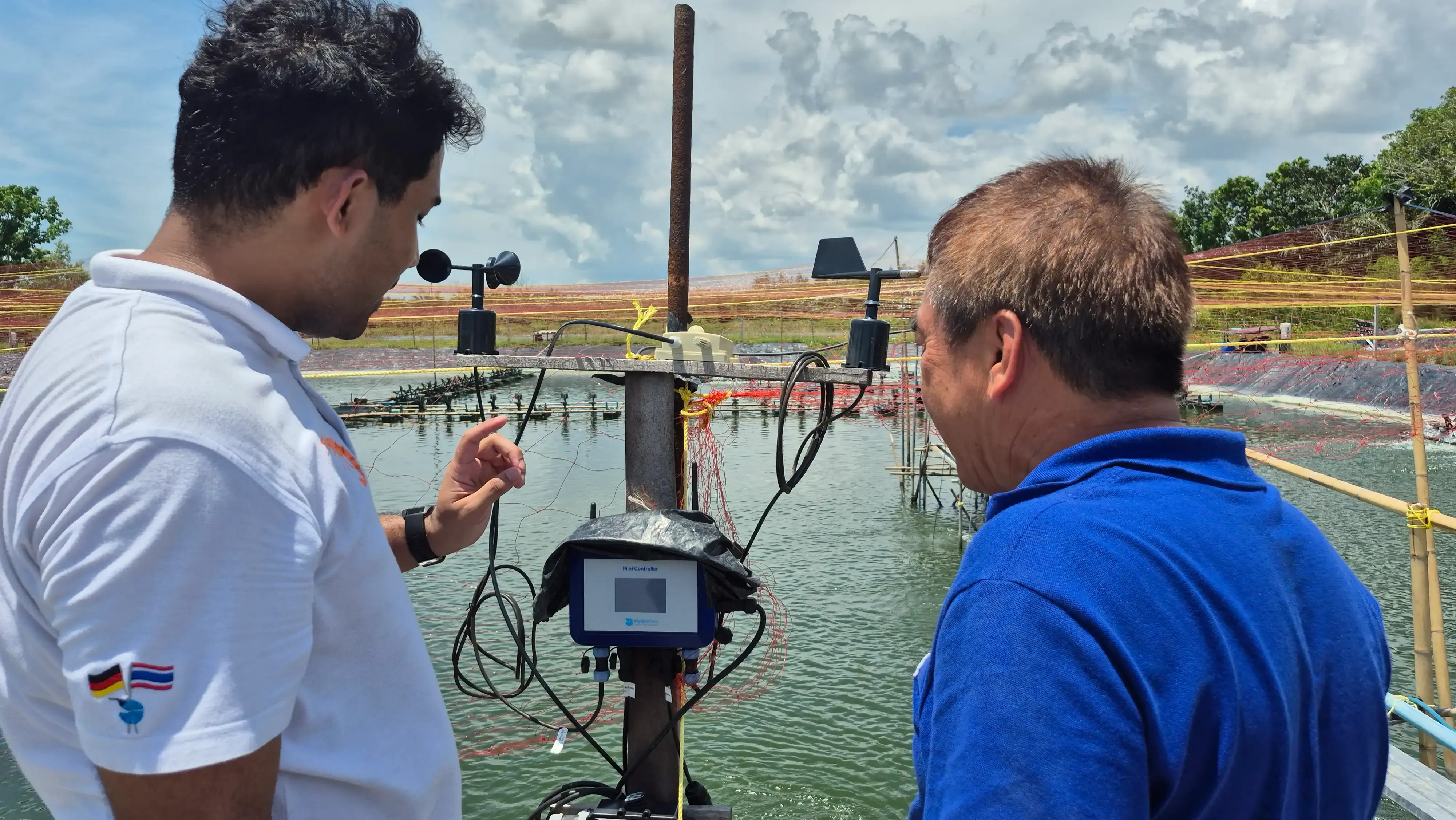 Photo by HydroNeo
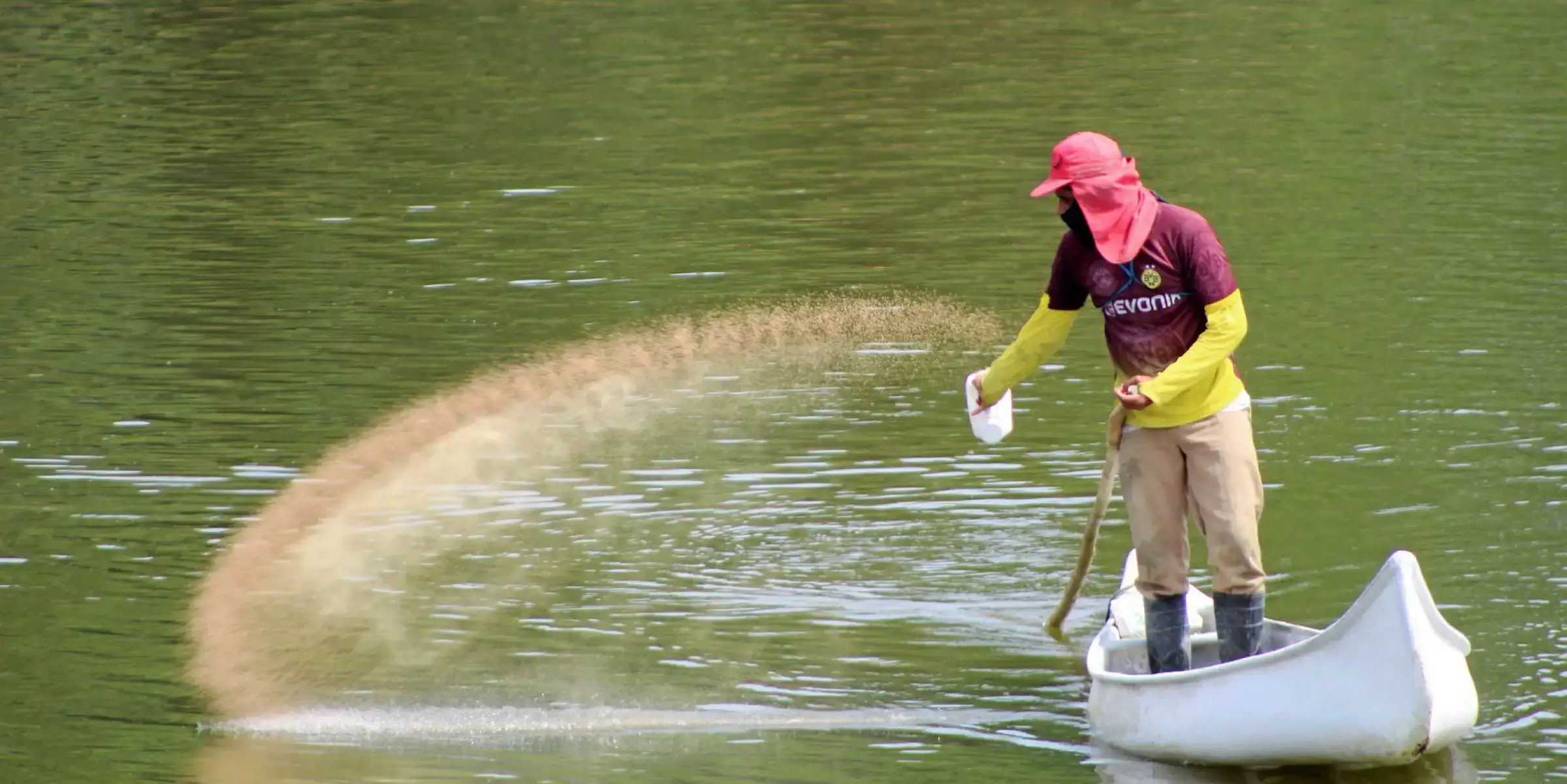
Shrimp Hub helps farmers speed up welfare improvements and make welfare part of everyday farm management.
Photo by HydroNeo
Welfare Makes Business Sense for All
Animal welfare isn't just about ethics — it's a smart way to improve supply chain resilience, reduce risks, enhance quality, and open new markets.
Successful farmers see good welfare as good farming. Shrimp grow faster, survive better, and need fewer costly treatments. Poor welfare causes disease, waste, and financial loss.

Good welfare improves health and profits by helping farmers:
- Maintain optimal water conditions
- Provide balanced feed
- Ensure staff are trained in welfare practices
Retailers, buyers, and suppliers face growing pressure to prove strong welfare practices. Good welfare lowers supply risks, improves quality, and builds brand trust.

Welfare builds:
- Stronger consumer confidence
- Easier communication with regulators
- Greater sourcing transparency and sustainability credibility
Investors and supply-chain partners gain from stable, low-risk production. Strong welfare is a direct risk-reduction strategy.

Better welfare delivers:
- More reliable and predictable production
- Transparent reporting
- Greater confidence in long-term growth
Consumers may never visit a farm, but they increasingly care how their food is produced. Welfare influences their trust and purchasing decisions.
Today's consumers prefer products that are:
- Responsibly and humanely farmed
- From brands that are transparent about sourcing
- Linked to higher quality, health, and ethical standards
Not sure if welfare is relevant to your company?
Start learning
Explore easy-to-follow courses and manuals to help you start better shrimp farming practices.