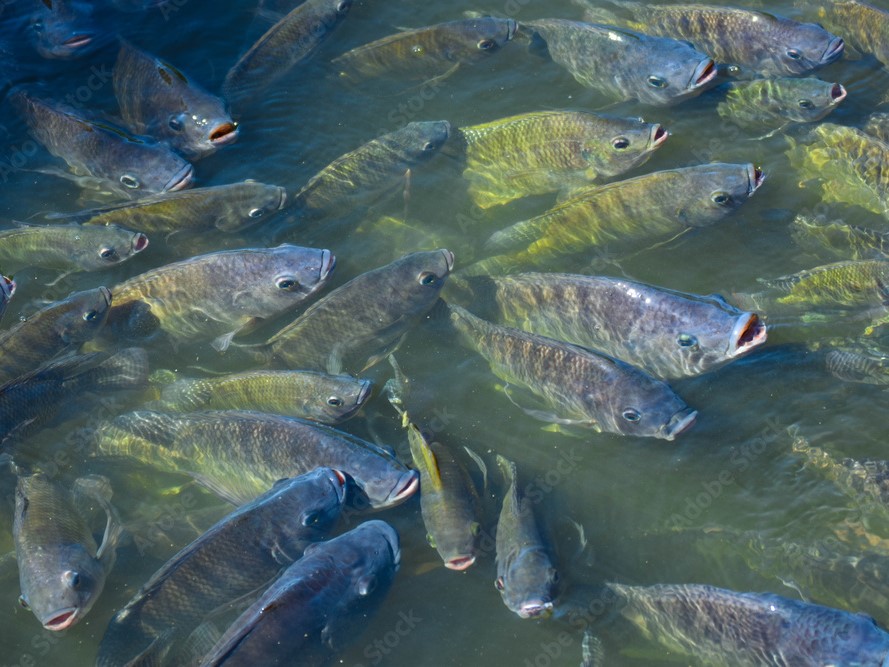
Why Tilapia Welfare Matters for businesses
The Tilapia Hub helps companies turn welfare into a business advantage.
Good welfare supports healthy fish, efficient farms, and stronger supply chains. Poor welfare increases risk, losses, and costs.

Global retailers, regulators, and investors increasingly expect clear evidence of animal welfare.

Major aquaculture certification schemes (BAP, ASC) now include animal welfare standards.

Consumers may never see a farm, yet they want food made responsibly. Good animal welfare earns trust and shapes purchases.
What is good tilapia welfare?
Animal welfare describes how well tilapia cope with the conditions in which they are farmed and handled.
For tilapia, good welfare means suitable water quality, good nutrition, good health, and the ability to show normal behaviour.
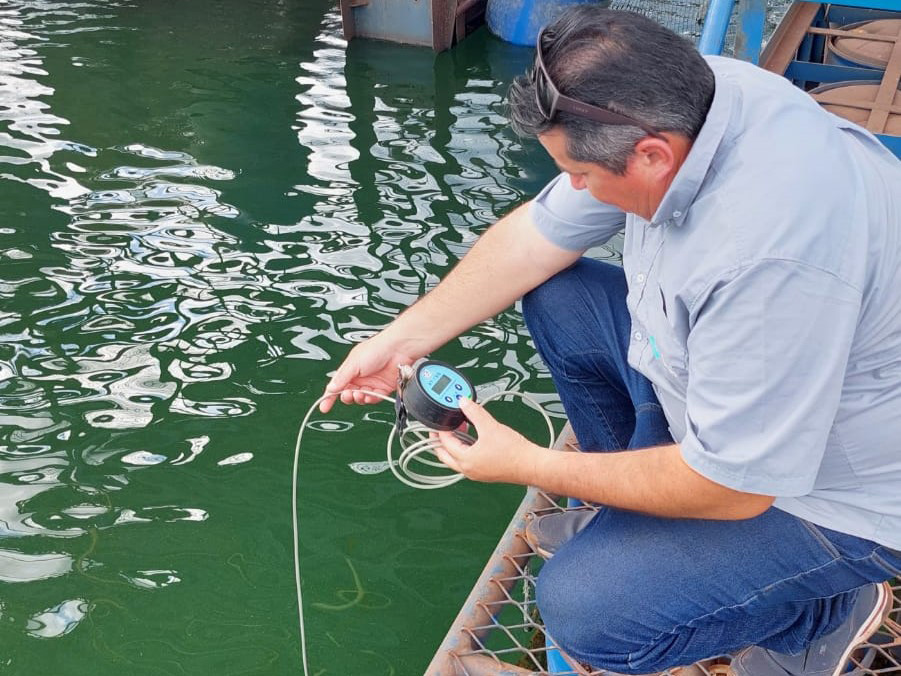
Welfare indicators are grouped into four practical areas that reflect daily farm management
1. Environment
Does water quality meet the needs of tilapia to grow and remain healthy?

2. Health
Do fish show signs of good health, normal appearance, and low injury levels?

3. Nutrition
Are fish feeding well and showing steady growth?

4. Behaviour
Are fish showing calm, natural swimming behaviour?
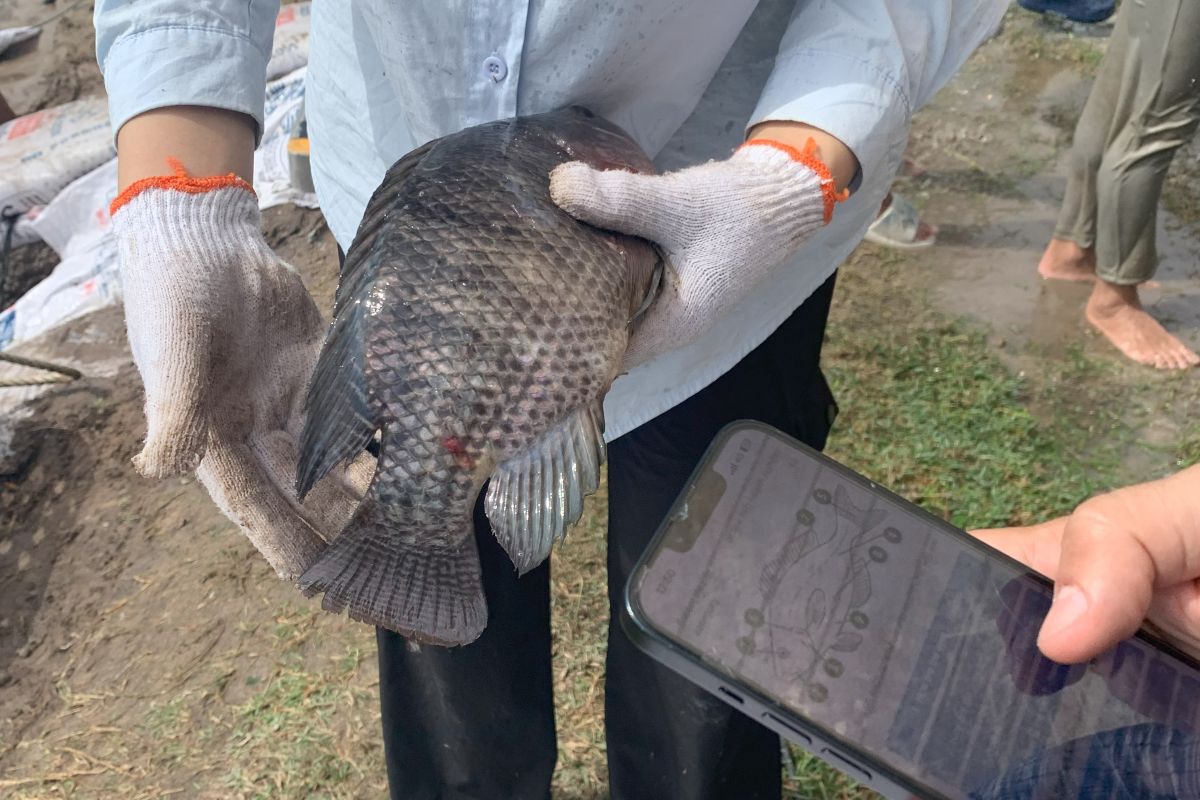
Each indicator is scored with the help of the Tilapia Welfare app, allowing farmers to monitor tilapia welfare from breeding through grow-out.
Assessments are quick to complete and help teams identify risks early and track improvements over time.
Welfare makes business sense
Animal welfare isn't just ethical — it's smart business. It strengthens supply chains, reduces risks, improves quality, and opens new markets.



The Tilapia Welfare Hub supports companies as a step towards ASC and BAP certification readiness.
Start learning
Discover easy-to-follow courses and handbooks that introduce tilapia welfare principles and indicators.